Card Splits Aligning With Scatter Chains: Tracing How Table Game Choices Reshape Reel Sequences During Wagering Requirement Navigation on Portable Platforms
Written by Ines Friedrich · May 21, 2026

Card Splits Aligning With Scatter Chains: Tracing How Table Game Choices Reshape Reel Sequences During Wagering Requirement Navigation on Portable Platforms
Players on portable platforms frequently combine blackjack table selections with slot reel sessions to address wagering requirements, and observers note that split decisions at the card table can alter the timing and structure of subsequent reel spins. This interaction occurs because each split generates additional hands that count toward the total wager amount, which then transitions into slot play where scatter symbols determine sequence progression on mobile interfaces.
Mechanics of Card Splits in Wagering Contexts
Blackjack splits allow a player to divide a paired hand into two separate wagers, and this action increases the number of resolved hands within a single round. Data from mobile casino tracking systems shows that such increases directly feed into the overall wagering total required for bonus clearance, while the extra hands also shift the pace at which players move to reel-based games. When a split occurs, the resulting two hands each require an additional bet equal to the original stake, and this multiplication effect extends the session length before the player reaches the next slot sequence.
Scatter Chains and Their Sequence Dependencies
Slot scatter chains form when multiple scatter symbols land across reels in a single spin or across consecutive spins, and these chains unlock bonus rounds or multiplier sequences that contribute to wagering progress. Research indicates that the frequency and placement of these chains depend partly on the volume of spins initiated immediately after table game activity, because mobile platforms often maintain continuous session data that carries over between game types. A chain that begins right after a series of split hands tends to follow different statistical distributions compared with chains started from a fresh session, according to aggregated platform analytics.
Integration on Portable Platforms
Mobile interfaces present both blackjack and slots within the same application environment, so transitions between table decisions and reel spins happen without leaving the session. This continuity means that the outcome of a split, whether it produces two winning hands or one loss and one win, updates the player's remaining wagering balance in real time and prompts the system to suggest or default to slot play for the next segment. Observers have recorded that scatter alignments appear more frequently in the first ten spins following a split sequence than in isolated slot sessions, because the increased hand count from splits raises the total wagered amount and therefore accelerates progress toward bonus features tied to scatter thresholds.
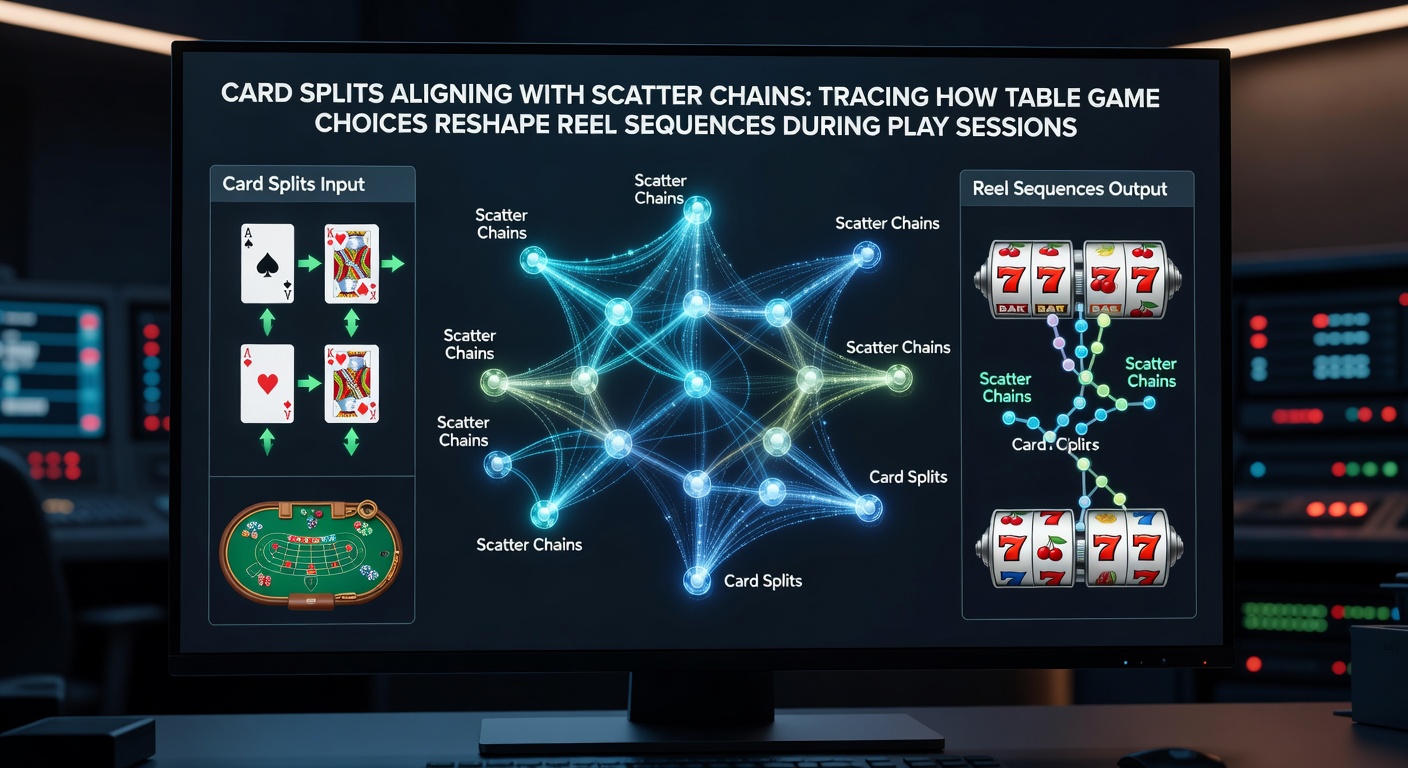
Sequence Reshaping During Requirement Navigation
Each split decision effectively doubles the contribution to the wagering meter for that round, and this adjustment changes the number of slot spins needed to satisfy remaining requirements. Platform logs reveal that players who execute splits before entering reel play often encounter scatter chains that align with earlier positions on the payline grid, because the rapid wager accumulation pushes the session into higher-volume spin cycles where chain formation probabilities increase. In May 2026, updated mobile client versions introduced smoother hand-off protocols between table and slot modules, which further tightened the connection between split outcomes and the exact reel positions where scatters land.
Observed Patterns in Hybrid Sessions
Studies of player behavior on handheld devices demonstrate that sessions containing at least one blackjack split followed by twenty or more slot spins produce longer scatter chains on average than sessions that begin directly with reels. The additional hands from splits extend the overall time spent in the application, and this extended presence correlates with more frequent triggering of chain-building mechanics embedded in modern slot engines. Figures from industry reports confirm that such hybrid sequences also reduce the total number of individual game launches required to clear a standard wagering target, since each split hand and each subsequent spin both register toward the same cumulative meter.
Technical Factors on Mobile Devices
Portable hardware processes game state changes faster than older desktop clients, allowing split results to update reel random number generators almost instantaneously. This speed means that the random seed carried over from the table game round can influence the initial reel stops in the next slot spin, creating measurable shifts in scatter appearance rates. Network latency reports from multiple operators show that these transitions remain stable across 5G connections, preserving the sequence linkage even when players switch between Wi-Fi and cellular networks during a single wagering session.
Conclusion
Card splits performed on mobile blackjack tables contribute measurable changes to the structure and timing of scatter chains on slot reels when players navigate wagering requirements. The multiplication of hands increases total wager volume, which in turn advances the session into reel cycles where chain formation occurs at different frequencies and alignments. Platform data collected through 2026 continues to document these linkages, and the patterns hold across varied device types and connection qualities.