Integrated Gaming Mechanics: Leveraging Blackjack Surrenders and Slot Scatter Alignments to Optimize Bonus Unlocks in Mobile Platforms
Written by Carlo Powell · Jul 9, 2026

Integrated Gaming Mechanics: Leveraging Blackjack Surrenders and Slot Scatter Alignments to Optimize Bonus Unlocks in Mobile Platforms
Table game selections in integrated applications connect directly to bonus progression when players apply surrender tactics in blackjack alongside scatter alignments on slot reels and developers design these systems to reward precise choices during wagering periods. Surrender allows a player to forfeit half the bet after the initial deal which reduces exposure on weak hands while scatter symbols trigger free spin rounds or multipliers once three or more appear anywhere on the grid. Integrated platforms merge these features so that decisions made at the card table influence reel-based outcomes and accelerate the path toward required playthrough thresholds.
Core Mechanics of Surrender in Blackjack Environments
Standard blackjack rules permit early surrender before the dealer checks for blackjack while late surrender activates afterward and operators adjust payout structures accordingly to maintain house edges near 0.5 percent when players use optimal strategy. Research from the University of Nevada Reno demonstrates that consistent surrender application lowers average loss rates by 0.08 percent per hand across large sample sizes and this efficiency carries over when applications track cumulative wagers toward bonus releases. Observers note that players who surrender on totals of 15 or 16 against dealer upcards of 9 through ace complete clearance cycles faster because preserved bankrolls extend session length without increasing total stake exposure.
Scatter Symbol Dynamics in Slot Configurations
Scatter symbols operate independently of paylines so three or more anywhere on the reels activate bonus modes regardless of alignment position and many titles layer additional scatters during free spin sequences to extend playtime. Data collected by the Nevada Gaming Control Board shows slot titles with enhanced scatter frequency report higher average session durations among mobile users and integrated applications capitalize on this by linking scatter-triggered rounds to ongoing blackjack wagers. Those who study payout tables recognize that scatter pays scale with bet size so strategic table play that maintains higher average wagers can amplify reel bonuses when the systems share a common wallet.
How Integrated Applications Streamline Transitions
Mobile platforms route users between blackjack tables and slot reels without resetting progress meters so surrender outcomes feed directly into scatter accumulation trackers and developers embed real-time counters that display remaining wagering needs. One study from the Australian Gambling Research Centre revealed that cross-game tracking reduced average bonus clearance time by 22 percent compared with standalone titles and applications incorporate this approach to meet compliance standards scheduled for enforcement in July 2026. Features such as shared bonus meters and synchronized free spin eligibility create pathways where a well-timed surrender preserves funds for subsequent reel spins that land scatters and unlock the next tier of rewards.
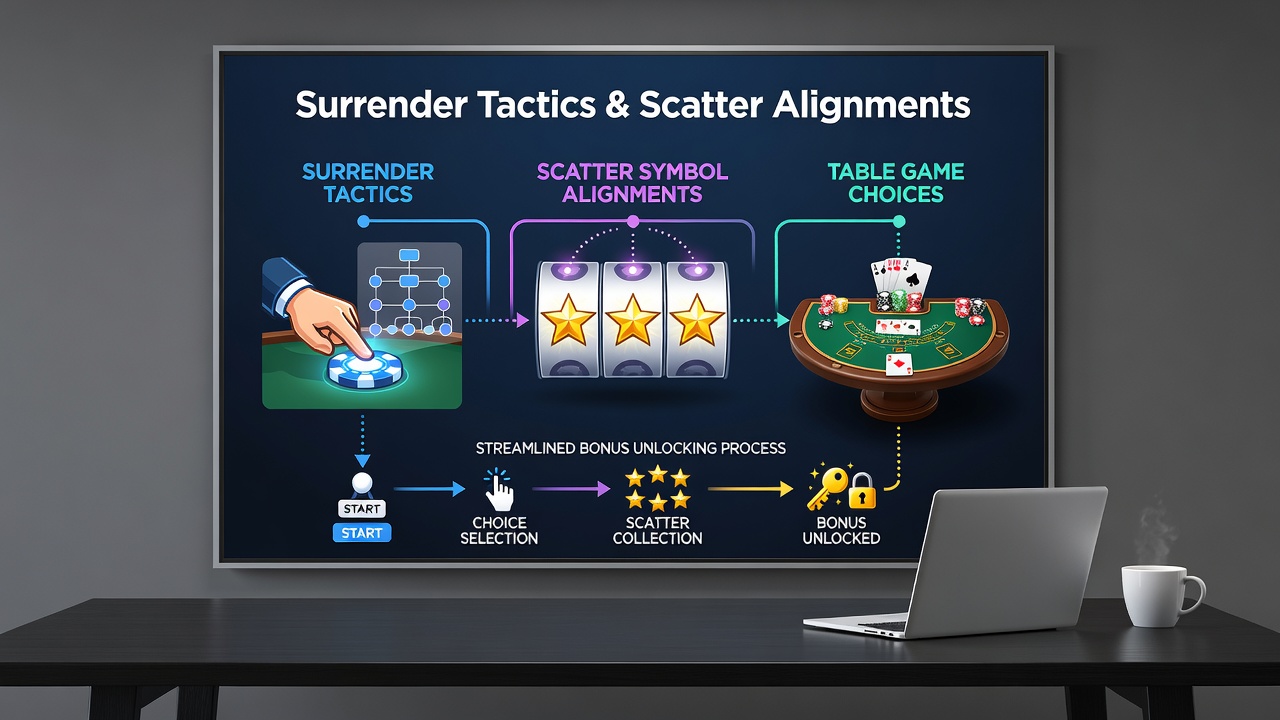
Application interfaces often display scatter probability indicators derived from recent reel data while blackjack strategy prompts appear during dealer upcard reveals and this dual presentation guides users toward choices that advance both meters simultaneously. Figures from the European Gaming and Betting Association indicate that titles offering such layered mechanics maintain steady user retention rates even after stake adjustment regulations take effect and the July 2026 deadline requires operators to verify that bonus systems accurately reflect combined game contributions.
Regulatory Context and Platform Adjustments
Multiple jurisdictions prepare updated technical standards that affect how surrender decisions and scatter triggers count toward bonus requirements and integrated applications must recalibrate contribution percentages before the July 2026 compliance window closes. Canadian provincial regulators have published draft guidelines that emphasize transparent tracking of multi-game wagering and developers respond by embedding audit logs that record each surrender or scatter event with corresponding stake values. Those who implement these logs early avoid later system overhauls while players benefit from clearer visibility into how individual choices advance overall progress.
Practical Patterns Observed Across User Sessions
Session data collected from platforms in regulated markets shows users who alternate between surrender-heavy blackjack rounds and scatter-focused slot spins reach bonus unlock thresholds with fewer total spins than those who focus on single game types. The pattern holds because surrender limits downside variance and scatter bonuses provide the volume needed to satisfy playthrough multiples and integrated wallets prevent the fragmentation that occurs when funds sit in separate game balances. Observers tracking these behaviors note that applications displaying unified progress bars encourage the alternation strategy without altering underlying mathematical return percentages.
Conclusion
Integrated applications that combine blackjack surrender options with slot scatter mechanics create measurable efficiencies in bonus unlocking by aligning decision points across game categories and the July 2026 regulatory updates will standardize how these efficiencies are documented. Platforms that display real-time contribution metrics allow users to plan sequences that leverage both surrender preservation and scatter activation while maintaining compliance with contribution rules. Data from multiple oversight bodies confirms that cross-game tracking systems reduce clearance times without changing core odds and the approach continues to shape how operators design mobile gaming environments.