Integrating Reel Alignments and Blackjack Decision Tables in Mobile Casino Platforms for Wagering Requirement Handling
Written by Ines Friedrich · Aug 9, 2026
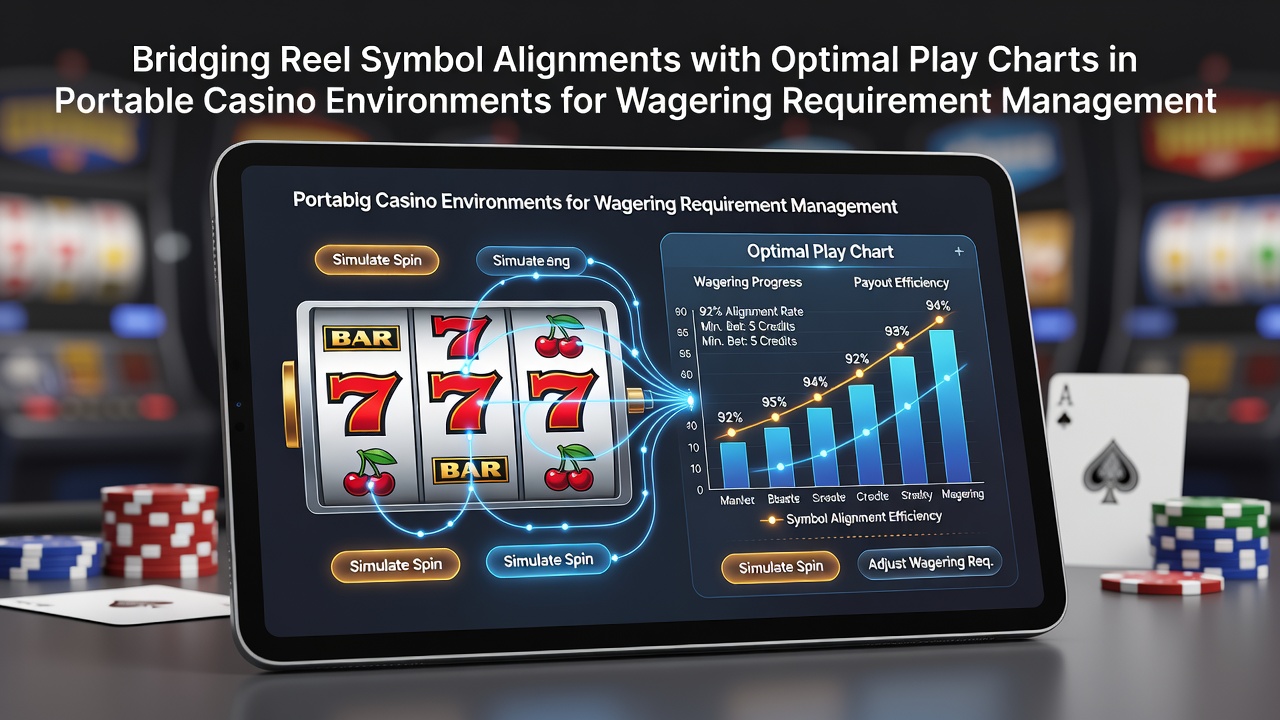
Integrating Reel Alignments and Blackjack Decision Tables in Mobile Casino Platforms for Wagering Requirement Handling
Portable casino environments combine slot reel mechanics with blackjack decision frameworks so users can address wagering requirements through coordinated game selections and play sequences, and data from regulatory filings shows these integrations have expanded since platform updates rolled out in August 2026. Reel symbol alignments operate on fixed paylines or dynamic clusters where matching icons trigger payouts at preset multipliers, while optimal play charts dictate hit, stand, double, or split actions based on dealer upcards and remaining deck composition in blackjack variants offered within the same applications.
Core Mechanics of Symbol Alignments in Portable Slots
Slot systems in handheld formats rely on random number generators that determine symbol positions across multiple reels, and players track high-value combinations such as wild substitutions or scatter triggers that advance progress toward playthrough thresholds, according to technical specifications published by equipment testing laboratories. These alignments produce outcomes at return-to-player percentages that range from 94 to 98 percent depending on the title, and mobile interfaces display real-time counters that track accumulated wagers against bonus obligations without requiring separate external calculators. Research from gaming technology firms indicates that pattern recognition of reel stops allows users to select games with clustered high-payout symbols that contribute larger bet volumes per spin, thereby accelerating fulfillment of minimum play requirements in shorter session durations.
Application of Optimal Play Charts in Mobile Blackjack
Blackjack strategy tables provide decision matrices that minimize house edge to approximately 0.5 percent when followed consistently, and these charts translate directly into mobile interfaces through overlay tools or quick-reference buttons that appear during live dealer sessions or virtual table play. Handheld platforms deliver the same probabilistic recommendations as land-based versions because the underlying rules remain consistent across device types, while touch-screen inputs enable rapid execution of recommended actions without disrupting game flow. Figures from academic studies on electronic table games reveal that adherence to these charts increases average hands completed per hour, which directly scales the wager totals applied toward requirement clearing when users alternate between card tables and reel-based titles.
Connecting Reel Patterns with Strategy Tables for Requirement Management
Users bridge the two systems by alternating between slots that emphasize symbol cluster frequency and blackjack rounds guided by chart-driven decisions, creating a sequence where each game type contributes measurable progress toward the same wagering target. Mobile applications often embed session trackers that log cumulative bets across genres, and this data aggregation supports adjustments in real time when one game type yields slower accumulation rates. External analyses from the American Gaming Association document how cross-genre play patterns have increased in portable environments, with operators reporting higher completion rates for bonus conditions when players follow structured rotation schedules informed by both reel volatility metrics and blackjack probability tables. In practice, a session might begin with reel spins that target scatter alignments for bonus round entries, then shift to chart-guided blackjack hands that maintain steady wager flow at lower variance levels until the required total is reached.
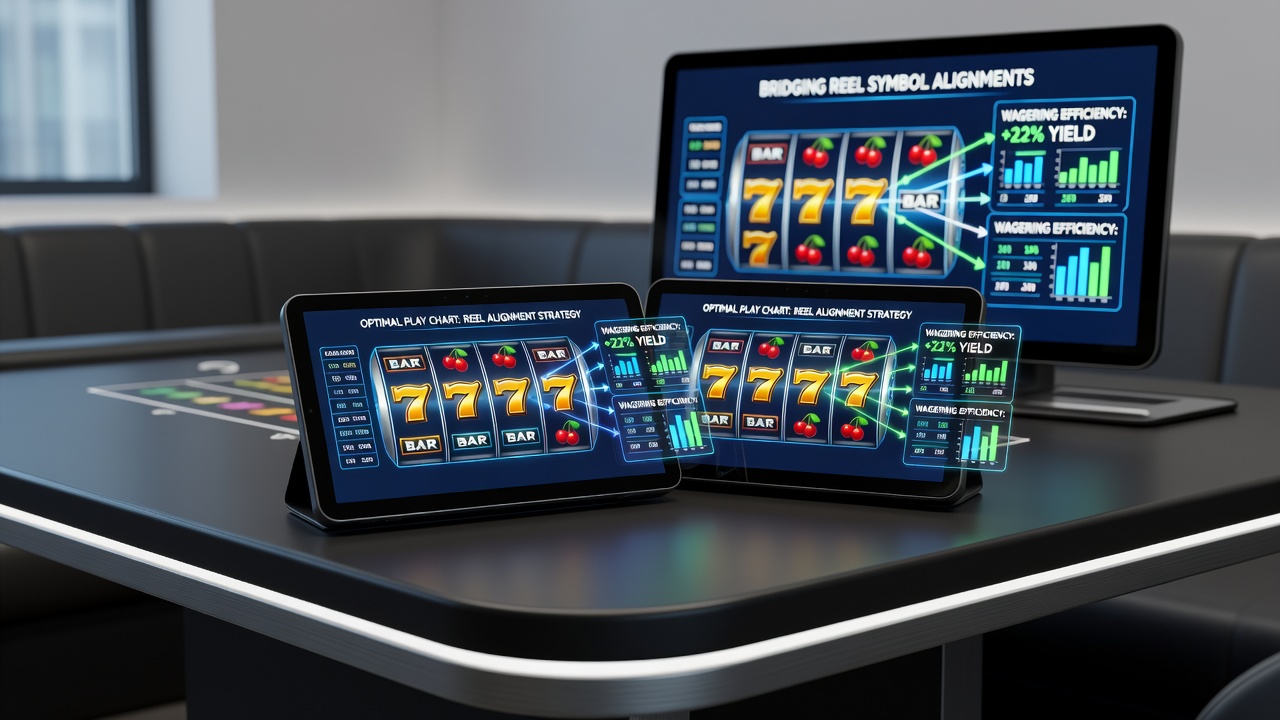
Platform algorithms adjust game availability based on remaining wagering balance, and users who consult both alignment histories and decision charts can prioritize titles that deliver consistent bet throughput without exceeding risk parameters embedded in the bonus terms. Studies conducted by university research groups on digital gambling behaviors indicate that such integrated approaches reduce the number of sessions needed to satisfy conditions compared with single-game strategies, because variance from reel outcomes is offset by the steadier progression available through chart-supported card play.
Platform Features Supporting Integrated Approaches
Application developers have introduced unified dashboards that display reel statistics alongside blackjack recommendation prompts, allowing seamless transitions without exiting the wagering environment. These tools calculate projected completion times by factoring in average spin durations, typical hand speeds, and the specific multiplier values attached to symbol alignments, while regulatory frameworks in multiple jurisdictions require transparent display of these calculations to maintain compliance. Data compiled by the Alcohol and Gaming Commission of Ontario shows portable platforms processing higher volumes of cross-product wagering activity following the introduction of these dashboard features in mid-2026, with operators noting measurable improvements in user retention metrics tied to clearer progress visibility.
Conclusion
Portable casino systems continue to refine the linkage between reel symbol mechanics and blackjack decision frameworks as a method for structuring wagering requirement completion, and ongoing platform enhancements support more precise tracking across both game categories. Observers tracking industry metrics report sustained adoption of these combined approaches in markets where mobile access constitutes the majority of play volume, with technical specifications and regulatory disclosures providing the factual basis for continued development in this area.