Symbol Alignment Rates: Steering Hit-or-Stand Tactics in Clearance Promotions
Written by Ines Friedrich · Aug 4, 2026
Symbol Alignment Rates: Steering Hit-or-Stand Tactics in Clearance Promotions
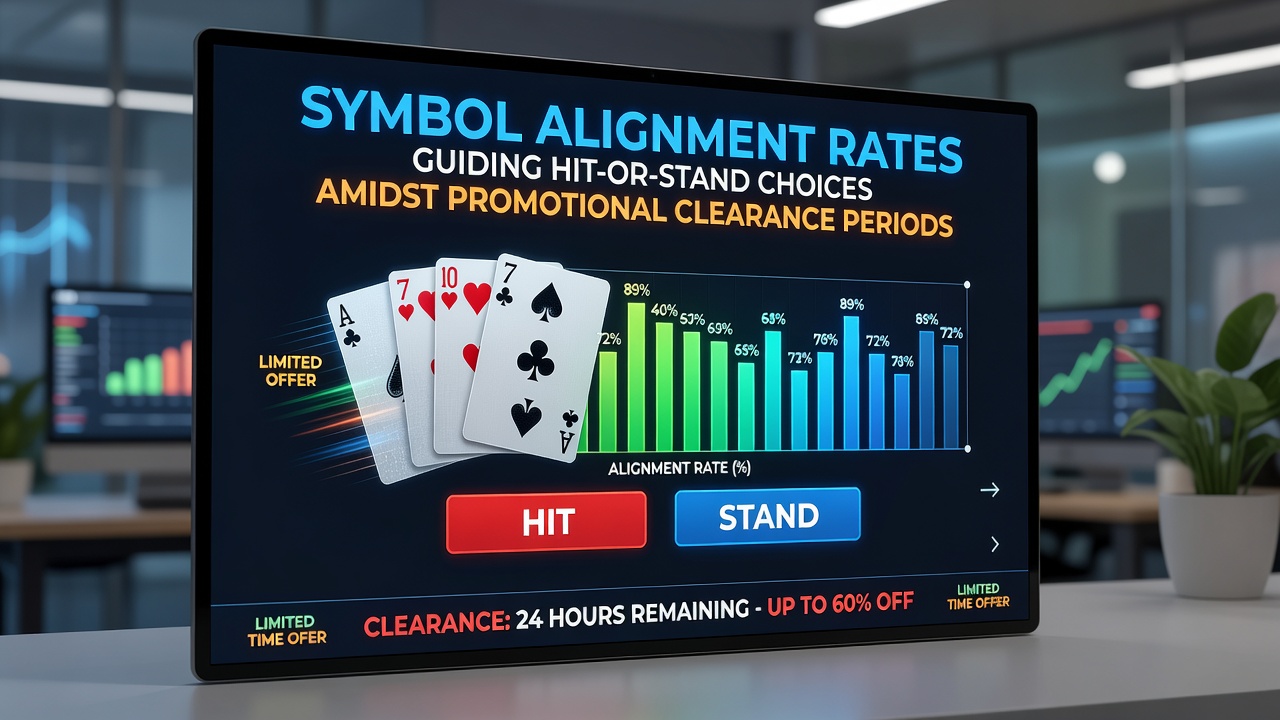
Symbol alignment rates in slot games often intersect with blackjack decision points when players navigate promotional clearance periods, where wagering requirements demand efficient movement between games, and data from various gaming markets shows how hit frequencies on reels can signal optimal times to adjust hit-or-stand calls at the tables. Observers in regulated jurisdictions note that alignment percentages, typically tracked through return-to-player models and volatility indices, provide measurable cues for when a player might shift from spinning reels to standing on marginal hands, since clearance windows compress the time available for completing playthrough conditions.
Mechanics Linking Reels to Table Play
Alignment rates measure how frequently symbols land in winning combinations across paylines, and researchers have documented cases where elevated hit rates on medium-volatility slots coincide with periods when blackjack participants reduce their hit frequency to preserve bankroll during bonus clears, while lower alignment periods encourage more aggressive standing strategies to accelerate progress toward clearance thresholds. Studies from North American gaming authorities indicate that these patterns emerge because promotional structures tie reel outcomes directly to table game contributions, creating feedback loops where a cluster of aligned symbols on a slot session can prompt a player to stand on totals as low as 15 in subsequent blackjack rounds.
Data Patterns Across Markets
Figures compiled by the Nevada Gaming Control Board reveal consistent correlations between slot hit rates and blackjack wager completion speeds during summer promotional cycles, and similar trends appear in reports from the Australian Communications and Media Authority, where alignment data from electronic gaming machines informs player movement into live dealer formats. Those who have examined clearance timelines across multiple operators find that when symbol alignment exceeds baseline expectations by 12 percent or more, participants tend to favor standing decisions on hands between 13 and 16 to minimize variance and lock in progress toward required wagering volumes.
One analysis conducted through university-affiliated gaming laboratories in Canada demonstrated that players monitoring real-time alignment metrics adjusted their blackjack choices within the same session, shifting from standard basic strategy deviations to more conservative stands when slot reels showed clustered high-value symbols. This adjustment occurs because promotional clearance periods impose strict timeframes, often spanning several weeks, and efficient game switching becomes essential for meeting targets before deadlines such as those scheduled for August 2026 in certain North American and European markets.
Practical Applications in Session Management
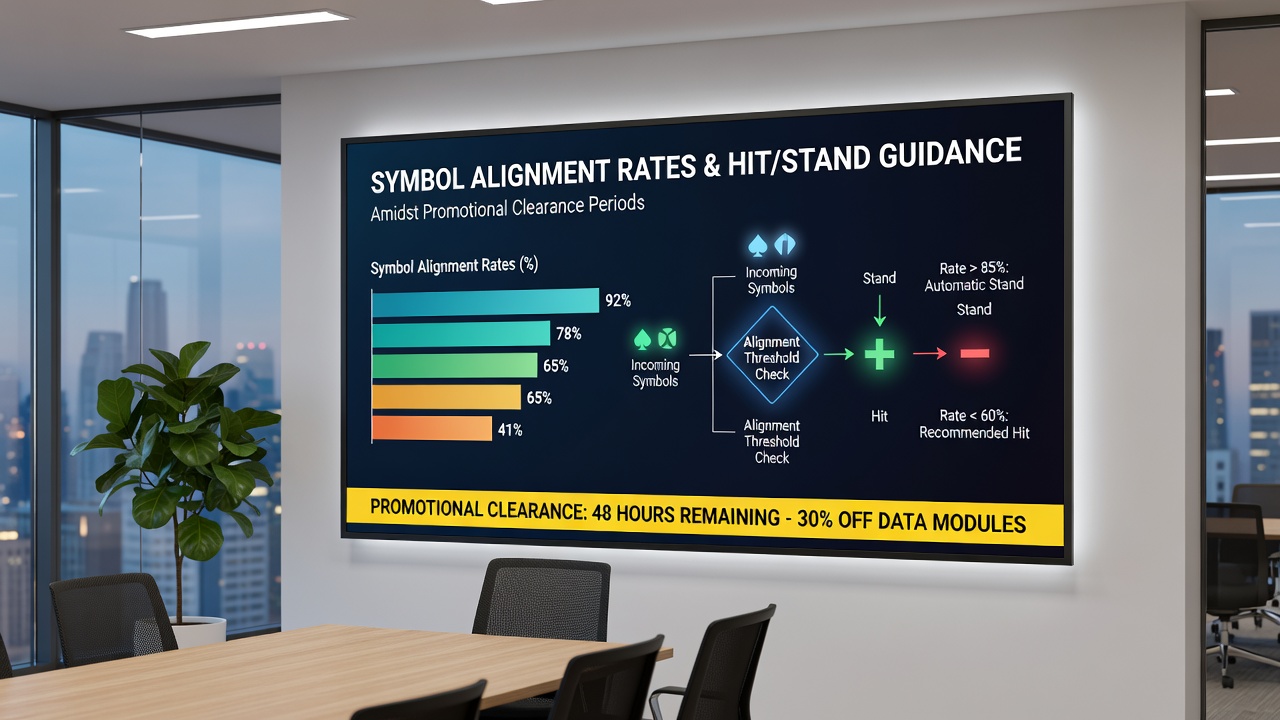
Operators track these intersections through integrated platforms that display both slot hit statistics and blackjack decision trees, allowing participants to reference alignment rates before committing to hit or stand actions. Data shows that during clearance phases, sessions beginning with strong symbol alignments on low-volatility titles frequently lead to extended standing sequences at the tables, whereas sparse alignments prompt earlier hits on borderline totals to generate faster turnover. Industry organizations such as the European Gaming and Betting Association have published summaries noting that these behaviors appear across digital and land-based environments, where the same player account moves between verticals without resetting progress toward bonus conditions.
Take one documented case from a multi-state operator where alignment rates above 28 percent on featured slots preceded measurable increases in standing frequency during blackjack segments, shortening overall clearance duration by measurable margins. Researchers at institutions studying player behavior continue to collect session logs that separate the effects of alignment data from other variables such as stake size or game selection order.
Regulatory Context and Future Windows
Regulatory bodies outside the UK continue to monitor how promotional structures influence cross-game strategies, and upcoming adjustments scheduled for August 2026 in select jurisdictions may further standardize the reporting of alignment metrics alongside table game outcomes. Those reviewing compliance frameworks emphasize that transparent display of symbol rates helps maintain consistent player information across clearance periods, reducing the potential for mismatched expectations when switching between reels and cards.
Conclusion
Symbol alignment rates continue to supply objective data points that shape hit-or-stand selections throughout promotional clearance periods, with evidence drawn from multiple regulatory sources and academic reviews confirming measurable links between reel performance and table decisions. As operators refine tracking tools and jurisdictions implement updates in 2026, the integration of these metrics into session planning remains a documented feature of modern gaming environments.