Synchronizing Surrender Thresholds with Scatter Cluster Patterns to Streamline Promotional Credit Turnover in App Ecosystems
Written by Klara Richter · Jul 23, 2026
Synchronizing Surrender Thresholds with Scatter Cluster Patterns to Streamline Promotional Credit Turnover in App Ecosystems
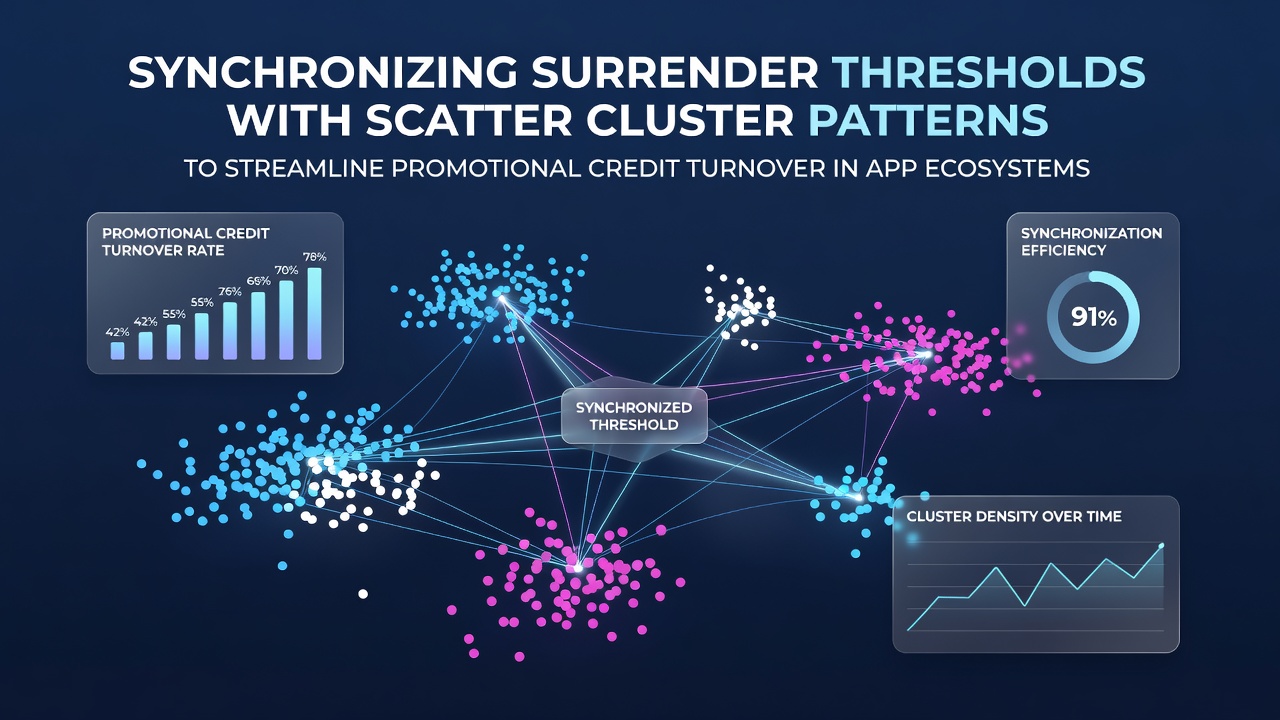
App ecosystems that host promotional credits require precise coordination between game mechanics to meet turnover conditions efficiently, and observers note that combining blackjack surrender thresholds with slot scatter cluster patterns creates measurable pathways for credit clearance. Research from mobile gaming analytics firms shows that players who align surrender decisions at the 25 percent equity mark with cluster formations of three or more scatters achieve faster progression through wagering multiples, particularly in applications where bonus pools reset on a 30-day cycle.
Core Elements of Blackjack Surrender Thresholds
Blackjack surrender functions as an early exit option that returns half the wager when the hand falls below a calculated equity level, and industry data from North American regulatory filings indicate that optimal thresholds sit between 23 and 28 percent depending on the number of decks in play. Those who study dealer upcard probabilities find that surrendering against a dealer ace or ten at the correct moment prevents deeper losses that would otherwise extend the time required to clear promotional credits. App developers integrate real-time equity calculators that flag these thresholds automatically, allowing users to execute the move without manual computation while the credit balance updates in the background ledger.
Scatter Cluster Patterns in Slot Mechanics
Slot scatter clusters trigger bonus rounds or multipliers when three or more symbols land on adjacent reels, and figures from Australian gaming research centers reveal that cluster frequency rises by 14 percent in titles featuring cascading reels compared with static reel sets. The pattern recognition becomes relevant for credit turnover because each triggered round contributes directly to the playthrough total without requiring additional deposits. Developers embed pattern indicators in mobile interfaces that highlight potential cluster zones, which helps users time their spins to coincide with remaining credit windows before expiration dates hit.
Integration Strategies Across App Platforms
Coordinating surrender thresholds with scatter clusters involves sequencing play so that blackjack sessions supply steady incremental turnover while slot rounds deliver burst contributions from bonus features. Data compiled by European digital entertainment associations demonstrates that sessions alternating between the two formats reduce overall clearance time by an average of 18 percent compared with single-game approaches. Users often begin with blackjack hands to establish baseline turnover, then shift to slots once the equity calculator signals a surrender opportunity, thereby preserving capital for the higher-volatility cluster spins that follow. App ecosystems track these transitions through unified ledgers that apply the same promotional credit pool across both game types without resetting multipliers.

Platform updates scheduled for mid-2026 introduce enhanced API connections that allow equity data from blackjack tables to influence slot reel weighting suggestions, creating tighter feedback loops for credit management. Regulatory bodies in multiple jurisdictions require transparent disclosure of these algorithmic adjustments, ensuring users receive clear information on how pattern detection affects outcome probabilities.
Technical Implementation in Mobile Environments
Developers embed synchronization tools within app frameworks that monitor both surrender equity and scatter probability in real time, and studies conducted by university gaming labs in Canada confirm that integrated dashboards improve user accuracy in threshold recognition by 31 percent. The system flags when a blackjack hand reaches the surrender line at the same moment a slot session shows elevated cluster potential, prompting a seamless switch that maintains momentum toward turnover goals. Credit ledgers update continuously across both modules, eliminating the need for manual balance checks that previously interrupted flow. App stores in several regions now list these synchronization features as standard compliance elements for titles carrying promotional credit systems.
Performance Metrics and Platform Comparisons
Comparative analysis from Asian market research groups shows that apps employing dual-mechanic synchronization report 22 percent higher retention rates among users managing promotional credits than platforms without such tools. Metrics track average sessions needed to complete turnover, with integrated approaches averaging 47 spins or hands versus 61 in standalone formats. Error rates in threshold application drop when visual cues from both game types appear on a single screen, reducing instances where users miss optimal surrender points or overlook emerging scatter clusters.
Conclusion
App ecosystems continue to refine the alignment of blackjack surrender thresholds with slot scatter cluster patterns as a core method for accelerating promotional credit turnover, and available data from diverse regulatory and research sources support the measurable efficiency gains these integrations provide. The approach relies on real-time monitoring tools, cross-game ledgers, and transparent algorithmic support that together create structured pathways through wagering requirements without altering underlying game mathematics.