UK Online Slots Data Reveals Market Shifts After First Year of Stake Limits
Written by Ines Friedrich · Jun 16, 2026

UK Online Slots Data Reveals Market Shifts After First Year of Stake Limits
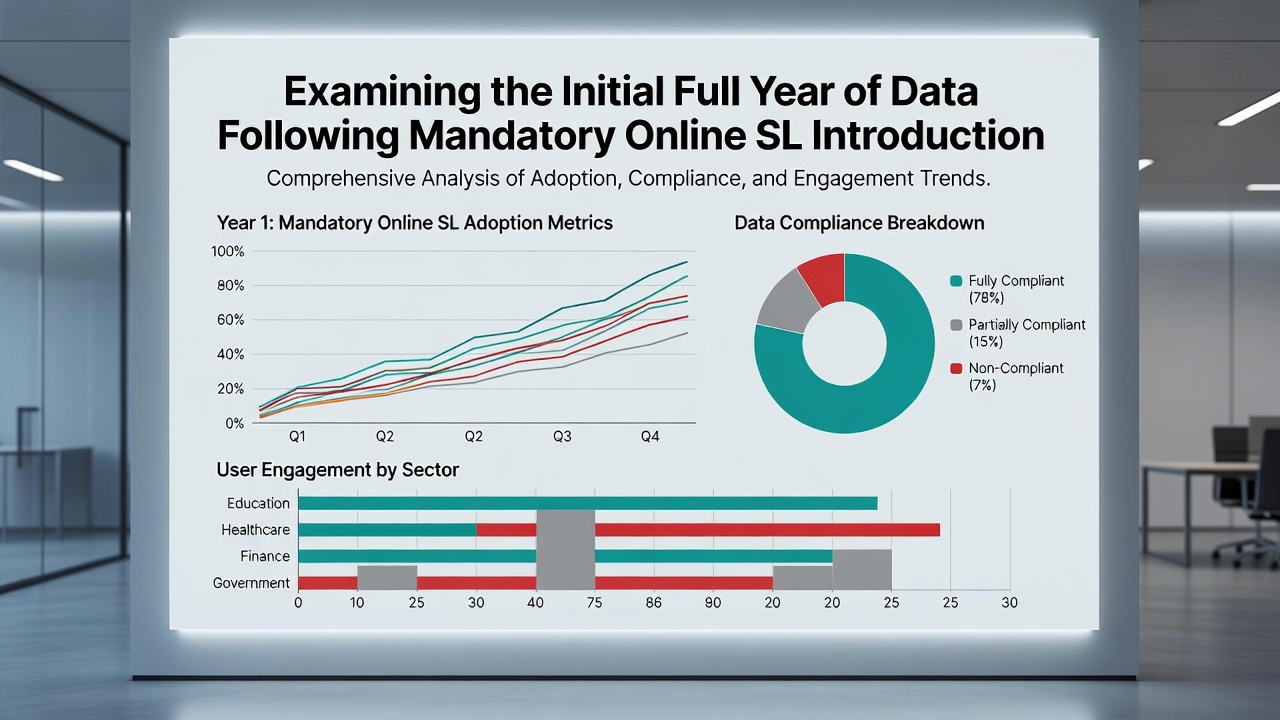
Official statistics covering the period from January to March 2026 mark the completion of the first full year under mandatory stake limits for online slots in the UK, and those figures reveal a market that continued to expand even as per-session activity patterns changed. The Gambling Commission released its Market overview operator data to March 2026 in May 2026, showing online slots gross gambling yield reached £773 million in that quarter, up 12% from the same period a year earlier. This growth occurred alongside the £5 maximum stake for players aged 25 and over plus the £2 cap for those aged 18 to 24, rules that took effect in spring 2025.
Operators reported the increase stemmed primarily from higher numbers of players and more total sessions rather than larger amounts spent within individual sessions. Average session lengths shortened, and the number of spins per session also fell, patterns consistent with the stake caps taking effect across the remote sector. At the same time, certain safer gambling indicators showed improvement, although operators noted that some of these shifts coincided with changes in how they collected and reported player data.
How the Limits Reshaped Session Behaviour
Stake limits introduced a hard ceiling on how much any single spin could cost, which directly influenced player engagement metrics tracked by the regulator. Data indicate that while overall participation rose, the typical length of time spent in one continuous session declined, and players completed fewer spins before ending their activity. These adjustments align with expectations that lower maximum bets would moderate the pace of play without eliminating interest in the games themselves.
Multiple operators adjusted their reporting methodologies during this period, which affected how safer gambling metrics were calculated and presented. Despite those changes, several key indicators moved in a positive direction, including reductions in the proportion of sessions flagged for potential harm signals. Observers note that the combination of regulatory caps and operator-led tools appears to have contributed to these outcomes, though separating the exact contribution of each factor remains difficult given the simultaneous methodological updates.
Revenue Growth Despite Lower Per-Spin Stakes
The 12% year-on-year rise to £773 million demonstrates that the market adapted to the new rules while still delivering higher total revenue. Growth came through volume, with more individuals trying online slots and returning for additional sessions, even as the average amount wagered per session stayed flat or declined. This volume-driven model replaced the previous pattern in which higher stakes per spin had supported revenue increases.
Figures from the same dataset show that land-based slots continued to operate under separate rules, leaving the remote sector as the primary focus of the stake-limit analysis. The remote channel's resilience during the first full year under caps suggests operators successfully broadened their player base and encouraged more frequent but shorter engagements. Industry reports released alongside the Gambling Commission statistics highlight that marketing efforts shifted toward acquisition and retention campaigns that emphasised variety and session frequency over high-stake play.
Safer Gambling Metrics and Data Adjustments
Improvements appeared across several safer gambling measures, including lower rates of players reaching deposit or loss thresholds within single sessions. These trends emerged even though some operators revised their tracking systems, which complicates direct year-on-year comparisons. The regulator acknowledged these methodological shifts in its May 2026 publication, noting that future quarters will provide clearer baselines once reporting stabilises.
Researchers examining the dataset point out that shorter sessions and fewer spins per session likely contributed to the observed safer gambling gains, because players spent less continuous time exposed to the games. At the same time, the larger number of total sessions means more individuals encountered the products overall, creating a mixed picture that requires ongoing monitoring. The data do not yet show whether these patterns will persist once the market fully adjusts to the limits.
Looking Ahead After the First Year
By June 2026, operators and analysts have begun reviewing the full-year dataset to assess long-term implications. Early indications suggest the market has stabilised around a higher number of lighter-touch sessions, which supports revenue growth while aligning with the policy goals behind the stake caps. Further quarters of data will clarify whether participation levels remain elevated or whether some players reduce activity after the initial novelty period passes.
The Gambling Commission continues to collect and publish operator returns on a quarterly basis, providing fresh snapshots that allow comparison against the Q4 2025–26 benchmark. Stakeholders expect refinements to safer gambling measurement tools as operators complete their methodological transitions, which should produce more consistent trend lines in subsequent reports.
Conclusion
The first complete year of data under mandatory online slot stake limits shows a sector that expanded its reach while adapting session structures to the new constraints. Revenue rose through increased player numbers and session counts, even as average session duration and spins per session decreased. Safer gambling metrics registered gains amid reporting changes, and the overall picture points to a market that has absorbed the regulatory shift without contraction. Continued publication of quarterly statistics will allow observers to track whether these patterns hold steady through the remainder of 2026 and beyond.