When Blackjack Insurance Bets Meet Slot Multiplier Rounds: Unpacking Combined Play Sessions in Digital Casinos
Written by Carlo Powell · Jul 26, 2026

When Blackjack Insurance Bets Meet Slot Multiplier Rounds: Unpacking Combined Play Sessions in Digital Casinos
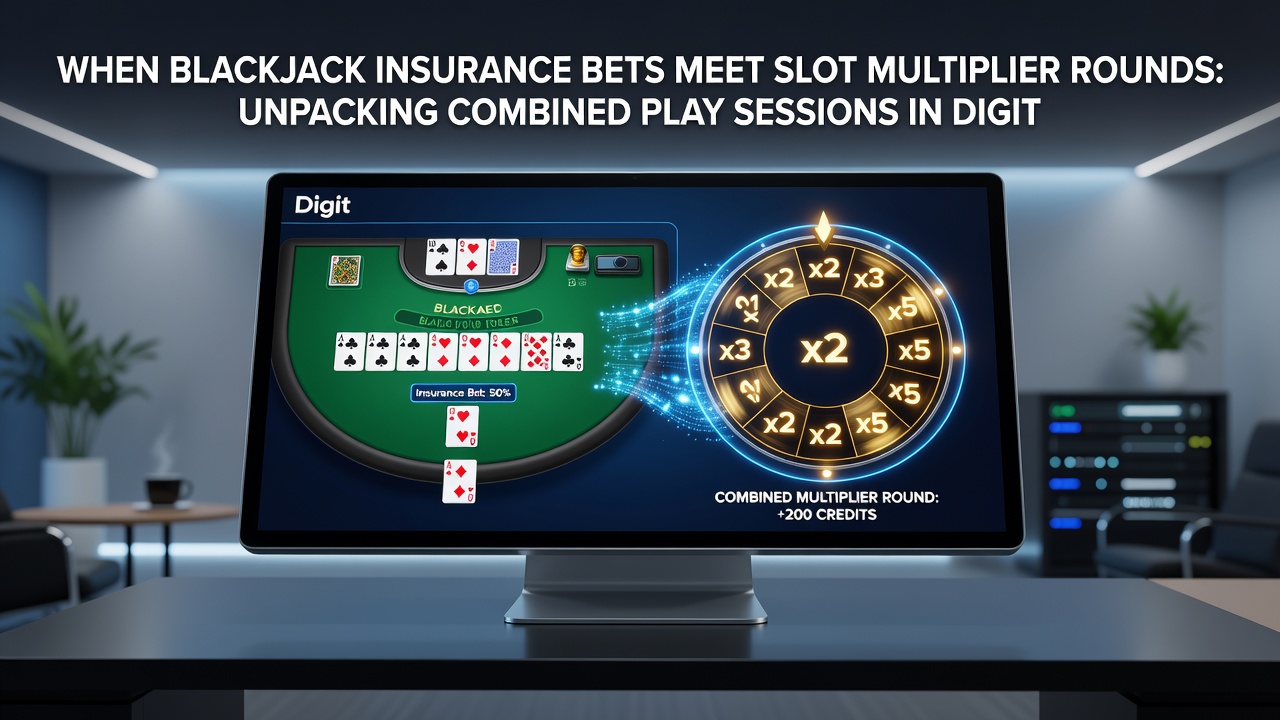
Digital casinos have integrated blackjack insurance options with slot multiplier rounds in ways that allow players to move between table games and reel-based features during single sessions, and observers note how these mechanics create layered wagering opportunities. Insurance bets in blackjack activate when the dealer shows an ace, offering protection against a potential blackjack while slot multipliers increase payouts during bonus sequences triggered by specific symbol combinations. Combined play sessions emerge when users alternate between these elements, often using winnings from one to fund the other without leaving the platform interface.
Mechanics of Insurance Bets and Multiplier Triggers
Blackjack insurance functions as a side wager capped at half the original bet, paying 2:1 if the dealer completes a blackjack, while slot multiplier rounds activate through scatter symbols or dedicated bonus rounds that apply factors ranging from 2x to 100x on base wins. Researchers tracking player data across platforms report that sessions incorporating both elements frequently involve sequential deposits into the same account balance, where insurance payouts feed directly into slot spins. Those who've examined session logs find that multiplier rounds in slots often coincide with periods of high table volatility, creating natural transition points for users shifting focus.
Platform algorithms manage these shifts by maintaining separate game states yet sharing a unified wallet, and figures from industry reports indicate average session lengths extend when players engage both features consecutively. Data shows transitions occur most commonly after insurance resolutions, with users allocating portions of returns to multiplier-eligible spins rather than standalone table continuation.
Session Patterns Across Digital Platforms
Combined sessions follow observable patterns where players initiate blackjack hands, place insurance when eligible, then redirect funds toward slots once multipliers appear on screen. Studies from academic sources on digital gaming behavior reveal that such layering reduces downtime between rounds, and evidence suggests platform designs encourage continuity through quick-switch menus. One analysis of aggregated user metrics highlighted instances where insurance wins preceded multiplier activations within the same ten-minute window, illustrating how the two mechanics complement each other in practice.
Regulatory timelines influence these formats, and preparations for updates scheduled in July 2026 require operators to align machine compliance standards that affect both table and reel integrations in certain markets. Those monitoring enforcement actions note that platforms must adjust payout verification systems to accommodate combined tracking, ensuring insurance and multiplier calculations remain transparent across session logs.
Data Trends and External Benchmarks
According to statistics compiled by the Nevada Gaming Control Board, digital platforms report rising instances of cross-feature play, with combined blackjack and slot activity contributing measurable portions of total handle. Industry organizations such as the American Gaming Association have documented similar trends through operator surveys, showing how multiplier rounds extend engagement periods when paired with table side bets. Academic papers examining player segmentation further indicate that users who alternate between insurance and multipliers exhibit distinct session profiles compared to single-game participants.
Canadian regulatory summaries from provincial gaming authorities echo these observations, noting parallel growth in hybrid session reporting without reliance on single-jurisdiction sources. Observers tracking global patterns find that these combined approaches appear across multiple licensing frameworks, each maintaining distinct audit requirements for payout verification.
Technical Integration and Platform Design
Software providers build interfaces that display insurance prompts alongside slot bonus indicators, allowing simultaneous visibility during active play. Engineers design backend systems to process insurance resolutions and multiplier applications within unified transaction streams, and testing protocols verify that state transitions preserve wager integrity. Reports from technology vendors detail how real-time updates synchronize both game types, reducing latency when users switch focus mid-session.
Platform analytics tools capture these movements through timestamped event logs, enabling operators to review frequency and sequence data. Figures reveal that sessions incorporating both elements often register higher total spin and hand counts than isolated game types, though exact correlations vary by user cohort.
Conclusion
Combined play sessions involving blackjack insurance and slot multipliers continue to evolve within digital casino environments, supported by technical infrastructure and shaped by regulatory developments including those slated for July 2026. Available data from diverse oversight bodies illustrates measurable participation rates, while platform mechanics facilitate seamless movement between the two formats. Future reporting will likely refine understanding of these interactions as more operators publish segmented performance metrics.